

By Hillary Opio Omara
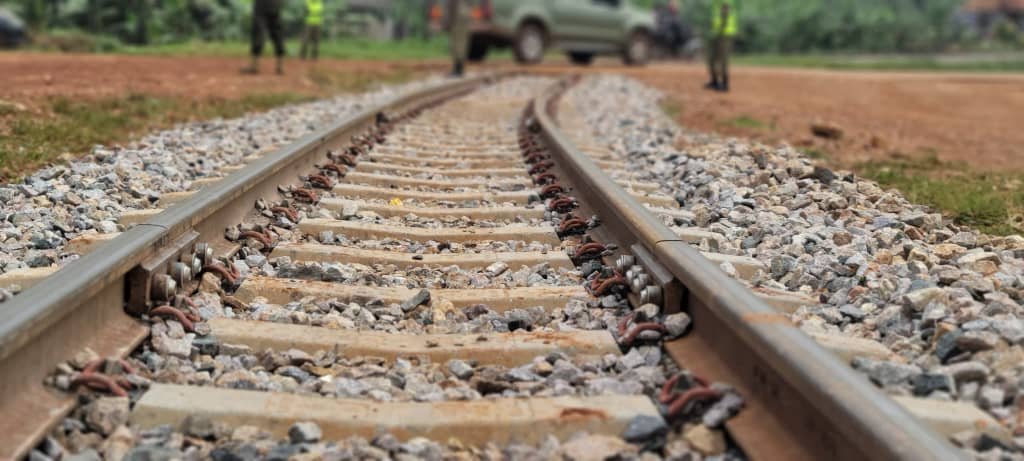
LIRA CITY - Residents living along the railway reserve in Bar-Onger Ward,Lira City East Division,have demanded compensation from the government before they are evicted from land designated for railway operations.
The residents,represented by their ward Secretary,Jimmy Abura,say many families have occupied the affected areas for nearly 30 years and should be compensated before the Uganda Railways Corporation (URC) proceeds with plans to reclaim the railway land.
Speaking to our reporter ,Abura argued that although the government has a responsibility to protect railway infrastructure and restore its operations, residents should not be forcibly displaced without addressing their concerns over compensation.
He said the affected households had established homes and other properties in the area over the years,making the proposed eviction a matter requiring careful consultation and a fair approach.
Abura revealed that residents,together with leaders from Lira City East Division, councillors and other stakeholders,had planned to meet on Wednesday,October 14, 2026,to discuss the impending eviction and agree on a way forward.
The meeting follows a notice issued by the Uganda Railways Corporation on October 12, 2026,directing people occupying land along the railway reserve to vacate the area.
The attempt to contact the URC Managing Director through the corporation's Lira office for comment,but had not received a response by the time of publication.
The developments in Lira come amid a wider government operation to reclaim railway reserves and protect railway infrastructure across the country.
In Port Bell,Kampala,the Uganda Railways Corporation,working alongside the police and the Uganda People's Defence Forces (UPDF),has carried out an operation to remove people occupying railway land.
Reports indicate that six people were arrested during the exercise,while some structures were demolished and others were burnt.
The operation is intended to restore railway corridors and prevent encroachment that could obstruct railway services or endanger residents living too close to the tracks.
The corporation has also intensified public awareness efforts,warning people against settling or constructing buildings on railway land.
URC's Spokesperson George Ssengendo, said the operation in Port Bell was aimed at reclaiming railway land that had been illegally occupied.
Ssengendo warned that similar operations could continue in other parts of the country where people have settled on land reserved for railway infrastructure.
He urged residents living close to railway lines to vacate the areas voluntarily, stressing that railway reserves are not designated for residential buildings or other unauthorised developments.
The eviction drive follows a Cabinet directive issued during its tenth sitting on September 28,2026,authorising Uganda Railways Corporation to intensify efforts to remove encroachers from railway reserves and demolish structures erected within the protected corridors.
The Minister for Work and Transport,Fred Byamukama,has also directed the corporation to expedite the removal of people occupying railway land.
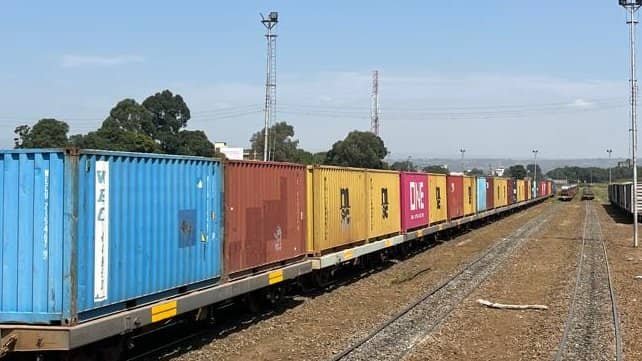
The government says reclaiming the railway reserves is part of a broader plan to rehabilitate and modernise Uganda's railway network.
Uganda is planning to rehabilitate approximately 1,266 kilometres of railway line running from Kampala towards the Malaba border,with the aim of improving transport connectivity and strengthening the country's railway system.
The African Development Bank has reportedly committed 301 million US dollars towards the rehabilitation of a 265-kilometre railway section in Uganda.
The programme also includes plans to improve railway infrastructure and install modern equipment along railway corridors in Kampala,Wakiso and Jinja.
As the government moves ahead with its railway rehabilitation agenda,residents in Bar-Onger Ward are calling for dialogue and compensation,arguing that infrastructure development should also take into account the livelihoods and property rights of affected communities.
The outcome of the planned October 14 meeting could help determine whether local leaders and residents can reach an understanding with the authorities before the eviction exercise advances in Lira City.
0 Comments
Be the first to share your thoughts on this story.